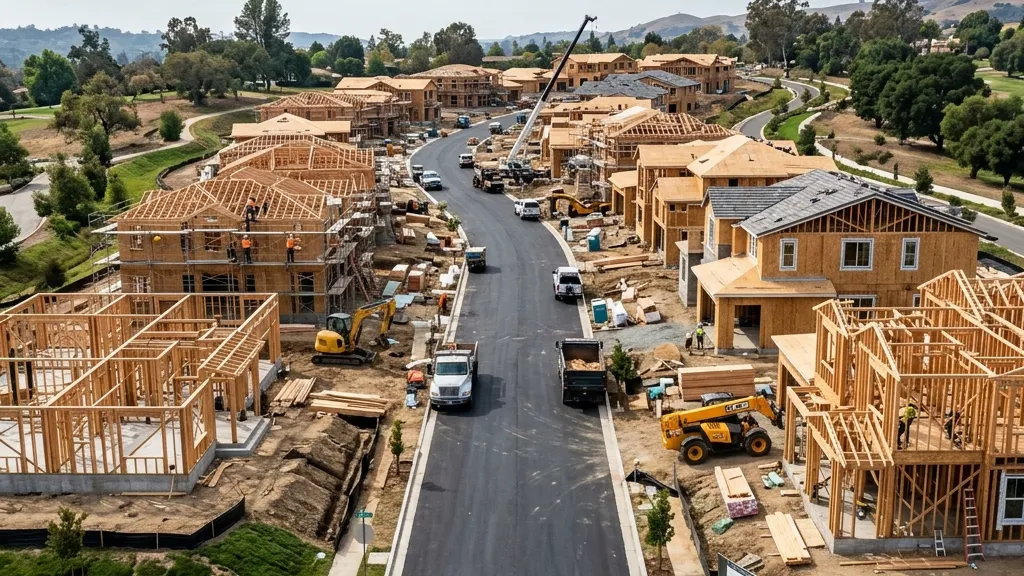
A manufacturing idea enters the housing conversation
A new approach to homebuilding is treating construction more like product manufacturing: components are produced in a controlled facility, shipped to a jobsite, and assembled there. The company featured by Realtor.com News says its wall panels, floors, stairs, and roofing can be transported in containers and fitted together at the site.
That model matters to Aspen because construction cost and execution are central to nearly every high-end property conversation. It introduces a different question for buyers considering new construction, redevelopment, or a substantial renovation: which parts of the building process can become more predictable before work reaches the site?
What the model is designed to change
The company estimates that its approach could reduce construction costs by 30% to 50% compared with conventional homebuilding. Its current facility covers 50,000 square feet, while a proposed 230,000-square-foot factory is intended to support production of as many as 1,200 townhouses annually.
Those figures describe the scale of the operating model, not an Aspen cost estimate. Their significance is the attempt to address labor coordination, material handling, and repetitive fabrication through vertical integration and standardized components. For clients, that points toward closer scrutiny of the construction process itself—not only the finished design.
The Aspen decision signal
In Aspen, a factory-built system would still have to work within the realities of a particular site, including access, transportation, excavation, utilities, approvals, and the architectural requirements of the project. A component that is efficient to produce in a factory is not automatically simple to deliver or install on a mountain property.
That makes early feasibility work especially valuable. Buyers should examine whether a system supports the design, finish level, schedule, and site conditions they care about. Sellers preparing a property for the market should understand whether documented plans, engineering, or existing approvals make the property easier for a future owner to evaluate.
The broader market context is also highly valued. Zillow Research places Aspen’s typical home value at $3,462,308 in July 2026, up 7.1% year over year, while Aspen recorded 18 new listings in July 2026, down 21.7% year over year. With limited new inventory and a high-value housing base, construction methodology can influence how buyers assess a property’s long-term ownership profile and how sellers present redevelopment potential.
The typical home value is a broad Aspen market indicator, not a property-specific valuation.
A more detailed construction conversation
Factory production will not replace site-specific diligence, but it can broaden the menu of construction strategies discussed with architects, builders, and owners. The useful takeaway for Aspen clients is practical: ask earlier how a project will be fabricated, transported, assembled, and documented—and connect that answer to the property’s design and market position.
For a grounded review of how construction strategy could affect a purchase, sale, or redevelopment conversation in Aspen, contact Carrie Wells to discuss the property and its specific constraints.
Source
- Realtor.com News: “EXCLUSIVE: SpaceX Alum Says His ‘Lego’ Approach to Homebuilding Can Solve the Housing Crisis—and Cut Costs by 50%”
- Local market figures: Zillow Research, Aspen, CO, July 2026.
Equal Housing Opportunity. This information is educational and not legal, tax, or financial advice.
Market data source
Zillow Research housing data. Figures cover the geographies and reporting periods stated beside them in the article.
—
Equal Housing Opportunity. Information is educational and not legal, tax, or financial advice.
Napsat komentář