A national supply story with an Aspen-specific question
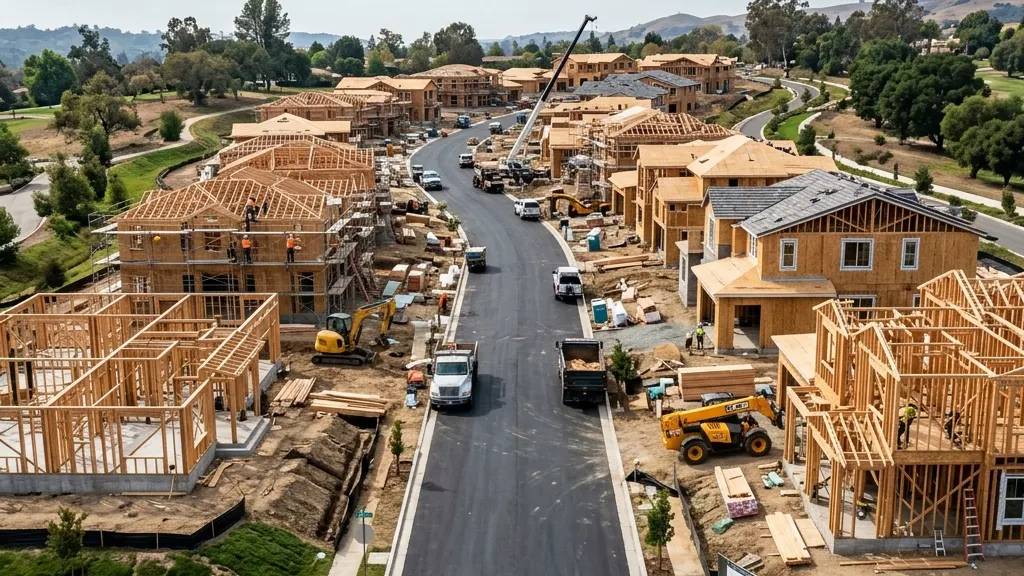
New construction is expanding housing choices in parts of the country, but the response is highly uneven. A Business Insider report citing Realtor.com found that six of the ten strongest metros for newly built homes were in North or South Carolina. Charleston led the ranking, with new construction representing 24.8% of listings and carrying a -12.2% price premium compared with existing homes.
That pattern reflects a broader market dynamic: homeowners holding older, lower mortgage rates are less inclined to sell, while builders in some regions are adding inventory at prices that compete with resale homes. For Aspen clients, the practical signal is not a national building boom; it is the value of separating broad supply headlines from the choices actually available in this market.
Aspen inventory keeps the conversation focused
Zillow Research recorded 84 active listings in Aspen, CO, in July 2026, down 3.4% year over year. The same source recorded 18 new listings, down 21.7% year over year. Those figures describe the flow of Aspen inventory during that period, not the condition or value of any particular property.
For buyers seeking a luxury home or condominium, limited new listing activity makes early qualification and clear priorities more useful. A buyer deciding between an existing residence and a future or newly completed property should compare the full purchasing picture: location, specifications, ownership costs, delivery terms where applicable, and the financing structure available for that property. A national ranking can highlight where newly built homes are plentiful; it cannot replace a current review of Aspen opportunities.
What sellers should take from the builder signal
The national data reinforces the importance of presenting a property against its real alternatives. In markets where builders are adding homes below or near resale pricing, sellers face a different competitive set than they would in a market with very little new supply. Aspen sellers should instead evaluate the active inventory and the pace of new listings in Aspen, along with the features and condition buyers can compare today.
That is particularly relevant for owners considering a sale in a low-turnover environment. A well-defined pricing conversation should account for the limited number of current choices without treating scarcity as a substitute for property-specific analysis. The typical Aspen home value was $3,462,308 in July 2026, according to Zillow Research, but that citywide figure is a market reference rather than a property valuation.
A more precise Aspen strategy
The most useful response to the national construction story is precision. Buyers may benefit from keeping both resale and new-build possibilities in view, while sellers should understand how their home is positioned among the listings a buyer can actually reach. In Aspen, where each property can differ materially in design, setting, ownership structure, and intended use, the next step is a tailored review rather than a national comparison.
Would you like to review Aspen’s current alternatives or position a property against the available inventory? Reach out to Carrie Wells for a market-specific discussion.
Equal Housing Opportunity. Information is educational and not legal, tax, or financial advice.
Source
- Business Insider: The top 10 cities to buy a newly built home in the US
- Local market figures: Zillow Research, Aspen, CO, July 2026.
Market data source
Zillow Research housing data. Figures cover the geographies and reporting periods stated beside them in the article.
Napsat komentář