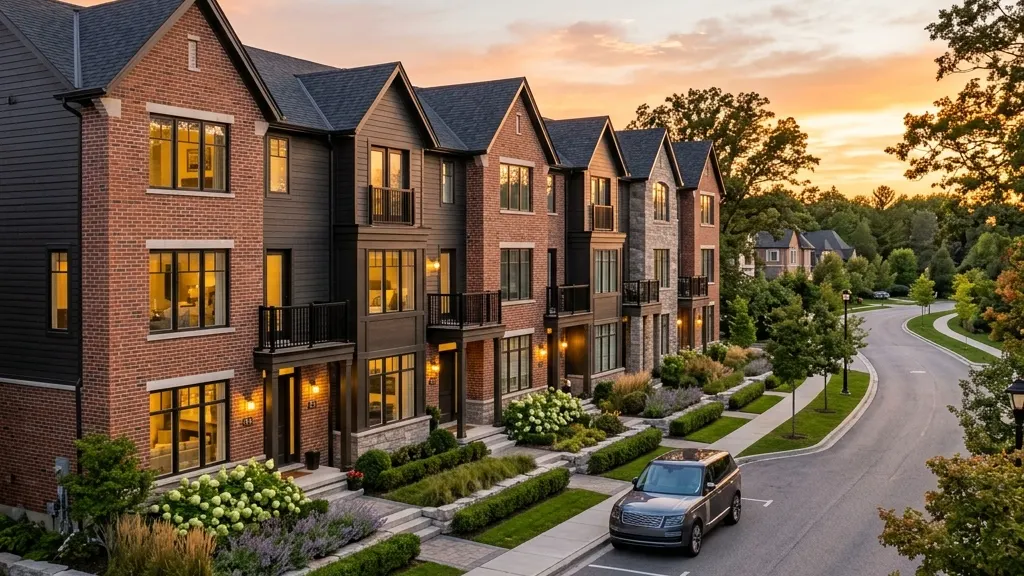
What Colorado’s top ZIP ranking does — and does not — say
Realtor.com’s 2026 state-by-state hot ZIP analysis named Eaton (80615) as Colorado’s top-ranked ZIP, with a 74.5 hotness score, 46 days on market, and a $659,000 median listing price. Aspen is not the point of that ranking — and it should not be forced into a neighborhood comparison it does not claim to make.
What matters for Aspen buyers, sellers, and investors is the broader pattern behind the report: in the West, demand is often less broad-based than in the Northeast or Midwest, but the most sought-after ZIPs can still command a meaningful premium relative to their surrounding markets.
The bigger Western-market signal
One of the report’s most useful takeaways is that the West trails the Northeast and Midwest on overall hotness metrics. Across each state’s top five ZIPs, the West posted an average 74.5 hotness score and 54 median days on market, compared with 93.5 and 38 days in the Northeast.
That matters in Aspen because it reinforces a familiar reality in high-end resort markets: national demand can be uneven, while standout locations still attract serious attention. Realtor.com also found that across all state-ranked ZIPs, 71% were priced above their surrounding metro, with an average premium of 21% over metro pricing. In the South and West specifically, those premiums were even wider.
For Aspen clients, that is the more relevant read. A premium market does not need every segment to move in lockstep. Demand can stay concentrated in the most specific product types, locations, or price tiers while other parts of the market take longer to clear.
How that connects to Aspen-area decisions
This is where local context matters. Metro-level data for the Glenwood Springs area, which includes Aspen, shows a $992,600 typical home value in June 2026, up 5.3% year over year, according to Zillow Research. The same dataset shows a $874,500 median sale price in May 2026, up 16.2% year over year.
Those are metro indicators, not Aspen neighborhood statistics, and they should not be used as a proxy for a Central Core condo or a Red Mountain estate. But they do help frame the decision environment: pricing in the broader market has remained firm even when negotiating conditions have not disappeared.
That distinction is important. A state ranking about “hot” ZIP codes can tempt readers to assume that all desirable Colorado markets are moving with the same intensity. They are not. In Aspen, the practical question is less “Is the whole market hot?” and more “Which properties are still drawing conviction, and which need sharper pricing or better terms?”
What buyers, sellers, and investors should watch
For buyers, this kind of report is a reminder not to confuse prestige with universal competition. Some Aspen listings may still require speed and clarity, but others may offer room to negotiate depending on product, positioning, and seller expectations.
For sellers, the takeaway is similar: premium markets can support premium pricing, but only when the property’s presentation, placement, and pricing align with current demand. Western hotness in this report is tied less to blanket market momentum and more to selectivity.
For investors and second-home clients, the clearest signal is that concentrated demand still exists in higher-priced Western enclaves, even when broader regional heat is softer than in other parts of the country. That makes property-specific analysis especially important here.
If you want to talk through how a national demand pattern may or may not translate to your Aspen purchase, sale, or off-market search, Carrie Wells can help you weigh the local signal.
Source
—
Equal Housing Opportunity. Information is educational and not legal, tax, or financial advice.
Napsat komentář